Matte Makeup: 10 Proven Steps for a Stunning Flawless Finish
Do matte makeup right — 9 proven steps with a blurring primer, cloud-skin tricks, and expert picks for a stunning airbrushed finish every day
Introduction.
Somewhere along the way, matte makeup got a bad reputation. People started associating it with cakey powders, flat foundations, and that overly dried-out finish that looked great in photos but felt completely lifeless in person. That version of matte is gone — and what’s replaced it is so much better.
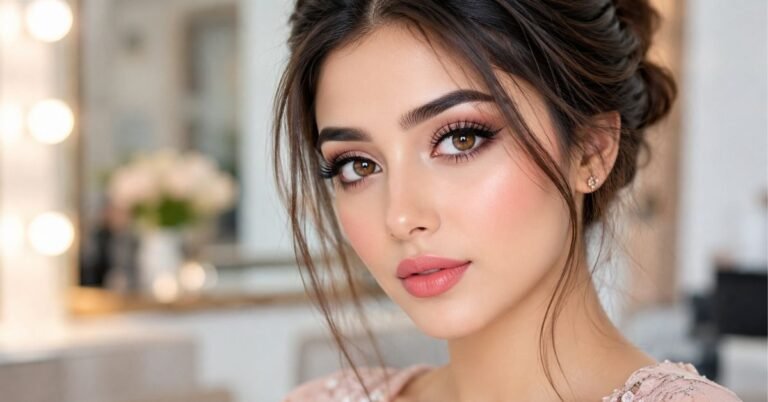
Today’s matte makeup is soft, skin-like, and genuinely gorgeous. Thanks to the rise of the cloud skin trend, modern matte is about achieving a blurred, velvety, soft-focus finish that looks like your skin — just smoother, cleaner, and totally shine-free. It’s the airbrushed effect that makeup artists have used on red carpets for years, and now it’s completely achievable at home.
In this guide, you’ll get 9 proven steps, the best products, expert tips, and everything you need to master matte makeup that looks flawless without ever feeling flat or heavy.
What Is Modern Matte Makeup?
Modern matte makeup is not the heavy, powdery look of the past. It’s a soft-focus, semi-matte finish that controls shine while still letting your skin look like skin — fresh, real, and alive. Beauty experts call this “cloud skin,” and it’s the biggest matte makeup trend of 2026.
The cloud skin effect sits perfectly between the dewy glass skin trend and the flat matte looks of previous eras. As the beauty team at Well People describes it, “cloud makeup allows the skin to shine naturally, giving a velvety, diffused finish instead of the flat, overly mattified look of the past.” The goal is balance — a soft glow peeking through a matte veil, not one or the other.
According to data from the Fresha platform, the cloud skin aesthetic is registering over 870% more online searches this year compared to last. It suits all skin tones, all ages, and all occasions — from a Monday morning work meeting to a Saturday night dinner. That versatility is exactly why matte makeup done the modern way is the look everyone is talking about.
Step 1: Start With Hydrated Skin
Every great matte makeup look starts long before foundation. It starts with your skin. Hydration is the foundation of everything — including a matte finish that stays soft and smooth rather than patchy or cakey throughout the day.
Cleanse your face and apply a lightweight, hydrating moisturizer. Avoid heavy oils for this particular look — instead, opt for a gel or water-based moisturizer that absorbs quickly and plumps the skin without adding excess shine. Well-moisturized skin grips makeup better, lasts longer, and prevents that telltale dryness that makes matte finishes look chalky.
Don’t skip this step even if you have oily skin. Even oily skin needs moisture — in fact, when your skin is dehydrated, it often produces even more oil to compensate. Starting with the right level of hydration actually helps control shine better over the course of the day than dry skin ever will.
Step 2: Apply a Blurring Primer
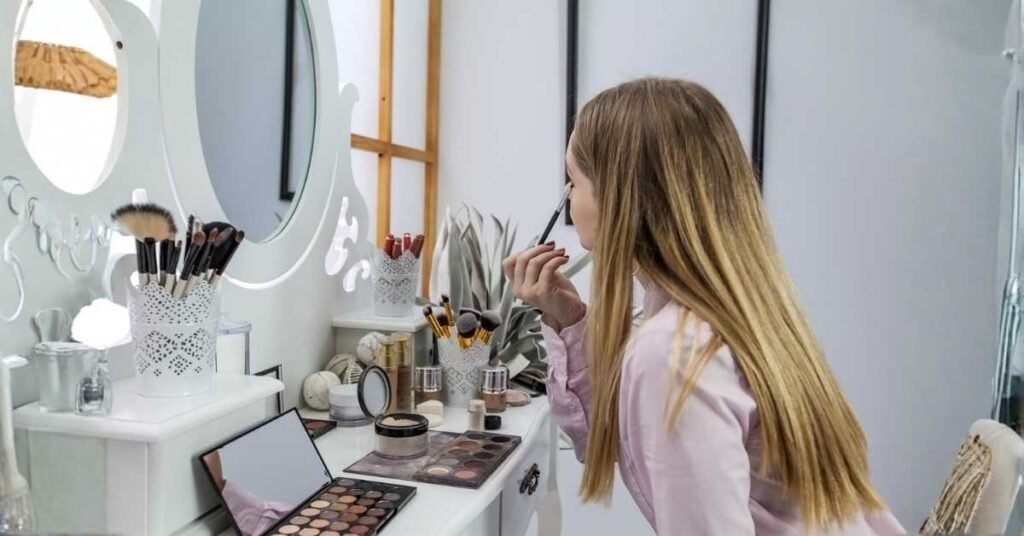
The second step in any great matte makeup routine is a blurring primer — and this is where the magic really begins. A good primer smooths pores, blurs fine lines, and creates a seamless canvas for everything that goes on top of it.
Look for a formula that contains dimethicone (a silicone-based ingredient). Despite common misconceptions, dimethicone doesn’t clog pores — it instantly creates a smooth, blurred surface that minimizes texture before foundation even touches your face. Marie Claire Beauty Editor Siena Gagliano calls it the key to that soft-focus, airbrushed effect.
Top primers for matte makeup:
- Smashbox Photo Finish Smooth & Blur Oil-Free Primer — $16, a classic for a reason
- Danessa Myricks Yummy Skin Blurring Balm Powder — $39, doubles as a foundation in tinted shades
- e.l.f. Power Grip Primer — $10, beloved by the community for grip and blur
Press the primer into your skin rather than sweeping it across. This technique makes it grip your makeup and keep the matte finish locked in for significantly longer throughout the day.
Step 3: Choose the Right Foundation
The foundation is where your routine either wins or loses. The key is choosing the right formula — and it’s not always the one labeled “ultra-matte.”
Marie Claire’s Siena Gagliano specifically recommends reaching for foundations described as natural matte or satin rather than full matte. Liquid foundations sink into the skin better than pressed powder formulas, which prevents that heavy, dull finish. A natural or satin finish still controls shine beautifully while keeping the skin looking like skin, just on its very best day.
Best Foundations for a Matte Makeup Look
| Foundation | Finish | Price | Best For |
| NARS Natural Matte Longwear Foundation | Natural matte | $55 | All skin types |
| Lancôme Teint Idole Ultra Wear | Natural matte | $53 | Oily to mature skin |
| Maybelline Super Stay Lumi-Matte | Soft matte | $12 | Everyday wear |
| Rare Beauty Matte Longwear Foundation | Soft matte | $29 | Buildable coverage |
| Estée Lauder Double Wear | Full matte | $46 | Long wear, oily skin |
Apply your foundation with a damp beauty blender or a dense brush. Dot it around the face, starting at the center and blending outward. Use thin coats rather than one thick layer — this is what keeps matte makeup looking natural rather than cakey.
Step 4: Conceal Without Going Flat
Concealer in a matte makeup routine needs to be applied strategically. The goal is to brighten and cover without adding the flat, heavy look that kills the whole soft-focus effect.
Conceal under the eyes, around the mouth, and on the forehead with concealer one to two shades lighter than your skin tone. Gagliano recommends choosing a hydrating formula — even for oily skin types. A hydrating concealer floats over fine lines and under-eye creases rather than settling into them, keeping the skin looking smooth and luminous where it counts.
Armani Beauty’s Luminous Silk Concealer and Kosas Revealer Concealer are both excellent choices for this step. Both brighten the face beautifully without tipping into flat territory — and any slight luminosity they add will be perfectly controlled by the powder steps that follow.
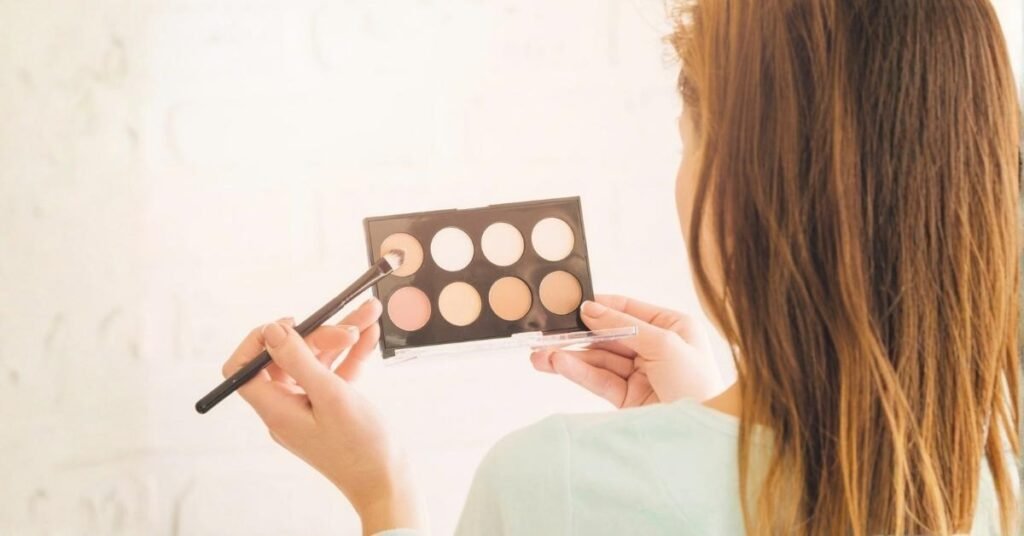
Step 5: Create the Cloud Skin Effect With Powder
This is the step that separates average matte makeup from the truly stunning cloud skin finish everyone is chasing right now. It’s all about how and where you apply powder — not just how much.
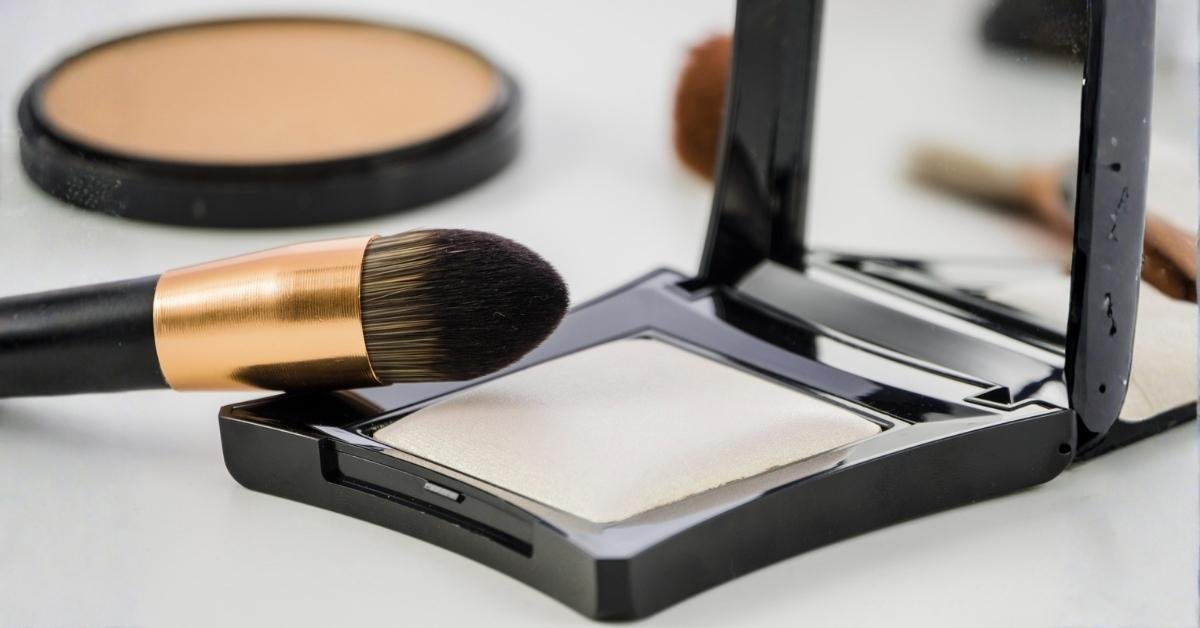
Instead of dusting powder all over your face, concentrate it strategically. Apply a setting powder to your T-zone, forehead, and any areas that get oily — but leave the outer parts of your face with their natural finish. This targeted approach mattifies where you need it most while allowing a soft, natural luminosity to peek through everywhere else.
This selective powder technique is what creates the cloud skin effect — a blurred, diffused matte finish that looks alive rather than flat. It’s the difference between a filter and a mask, and it makes all the difference in the final look.
Best Powders for Matte Makeup
| Powder | Type | Price | Purpose |
| Charlotte Tilbury Airbrush Flawless Finish | Setting + finishing | $43 | All-over blur |
| Laneige Neo Blurring Loose Finishing Powder | Finishing | $25 | Pore blurring |
| Maybelline Lasting Fix Banana Powder | Setting | $8 | T-zone control |
| Laura Mercier Translucent Setting Powder | Setting | $41 | Under-eye baking |
| Anastasia Beverly Hills Loose Setting Powder | Finishing | $30 | Soft-focus finish |
A setting powder locks in foundation and prevents creasing. A finishing powder is lighter and creates the final, blurred, airbrushed effect. Use both for the best matte makeup result — setting powder first, then a light dusting of finishing powder over the top.
Step 6: Add Warmth With Soft Contour and Blush
The cloud skin version of matte makeup isn’t completely flat — it has warmth, dimension, and life. Soft contouring and a flush of blush bring that energy back after all the powder steps.
Use a cream bronzer to softly define your cheekbones, temples, and jawline. Blend it thoroughly — the goal is warmth and definition, not harsh lines. Anastasia Beverly Hills’ cloud skin tutorial recommends their Blurring Serum Blush, a hydrating soft-matte liquid blush that creates a beautifully flushed-from-within effect.
Apply blush by dotting 2–3 drops onto the cheeks and blending with your fingertips using gentle pressing motions. This technique mimics a natural flush rather than a painted-on color, which is exactly the vibe that cloud skin calls for.
A whisper of metallic highlighter on the very tops of the cheekbones, the brow bone, and the cupid’s bow adds that lit-from-within glow that defines the cloud skin aesthetic. Keep it subtle — one focused swipe is all you need.
Step 7: Define Eyes and Brows
Matte makeup gives you a clean, polished canvas — which means your eyes and brows need to do their part in bringing definition and intention to the whole look.
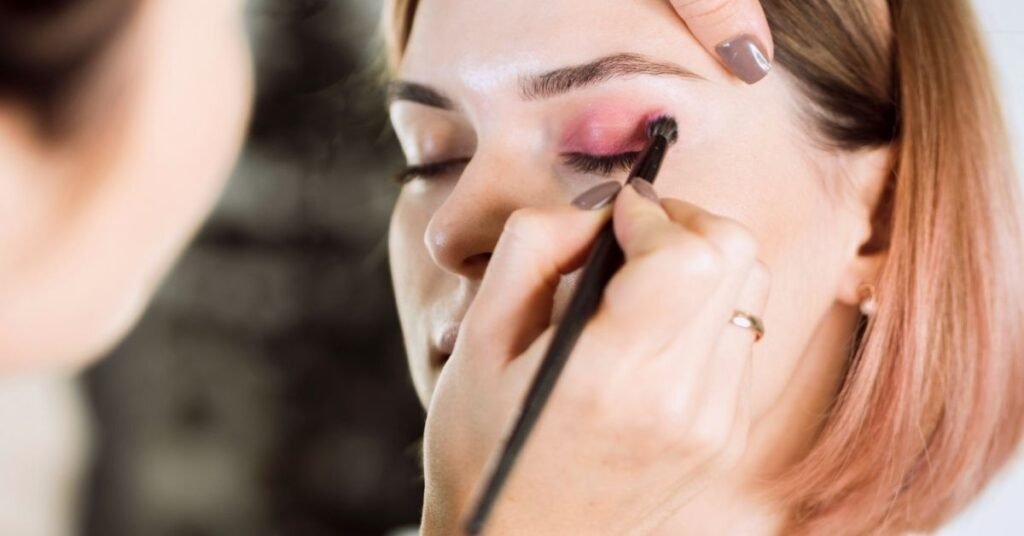
Keep your eyeshadow in soft, warm neutrals or earthy mattes that complement the overall soft-focus vibe of the look. Avoid heavy glitter or dramatic shimmer, which can clash with the refined, blurred finish of cloud skin. A soft taupe, warm brown, or dusty rose in the crease adds depth without disrupting the harmony.
For brows, fill them in with small hair-like strokes using a fine brow pencil and set them with a clear or tinted brow gel. Clean, defined brows frame the entire face and anchor the soft, blurred quality of this look in a way that feels intentional and polished.
Step 8: Finish Lips With Soft Matte Color
The lips in a cloud skin matte makeup look follow the same soft-focus principle as the rest of the face. You’re not going for a bold, high-drama lip — you’re going for something that feels like a natural extension of the look.
Choose soft, muted lip colors — dusty pinks, mauves, warm nudes, peaches, and soft corals all work beautifully with the cloud skin aesthetic. Apply a lip liner in a matching shade first to define the shape, then fill in with a soft matte lipstick or a satin-finish lip product.
A thin layer of clear gloss in the center of the lips adds dimension and a hint of that lit-from-within luminosity that makes the cloud skin effect feel cohesive from head to toe. Keep it sheer and centered — not all-over glossy — to maintain the overall soft-matte harmony of the look.
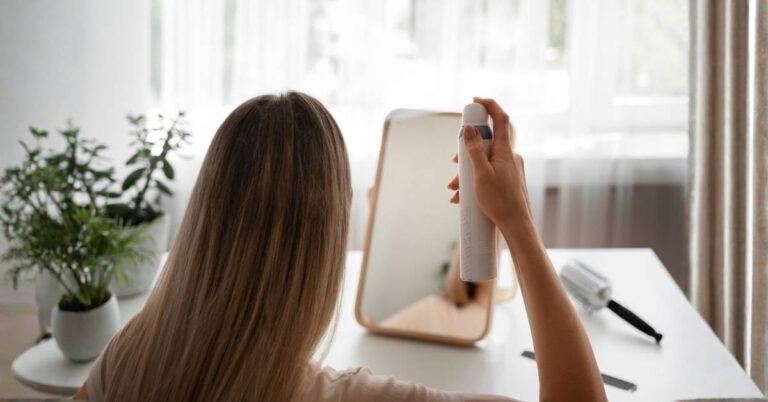
Step 9: Lock Everything In With Setting Spray
The final and most critical step in any matte makeup routine is a setting spray. This is what takes your look from “powdery” to genuinely airbrushed — and it’s the step that most people skip to their own detriment.
A good setting spray melts all the powder layers together so the finish looks seamless and skin-like rather than dusty or dry. Hold the bottle 8–10 inches from your face and spray in an “X” then a “T” motion to ensure even coverage across every area of your look.
- Urban Decay All Nighter Setting Spray — $34, delivers a soft-focus finish and 24-hour hold.
- L’Oréal Infallible 3-Second Setting Mist — $13, budget-friendly and powerful
- Morphe Continuous Setting Mist — $12, lightweight and great for everyday use
- NYX Matte Finish Setting Spray — $10, specifically formulated for matte looks
After setting spray, your matte makeup is completely locked in and ready for whatever the day brings. The finish should feel weightless, look smooth, and last significantly longer than it would without this step.

Matte Makeup Tips for Different Skin Types
Not all skin types approach matte makeup the same way. Here’s a quick guide to getting the best results based on your skin:
| Skin Type | Best Approach | Key Product |
| Oily | Mattifying primer + oil-control powder on T-zone | Translucent banana powder |
| Dry | Hydrating moisturizer + satin foundation | Hydrating concealer |
| Combination | Targeted powder only on oily zones | Blurring finishing powder |
| Normal | Standard routine — all steps apply naturally | Any natural matte foundation |
| Sensitive | Fragrance-free, gentle formulas throughout | e.l.f. or Well People clean products |
For oily skin, the cloud skin approach is actually ideal — you control shine exactly where you need to without stripping the skin of moisture everywhere else. For dry skin, the key is to stay hydrated at every step and choose a satin or soft matte foundation rather than a full matte formula.
Common Matte Makeup Mistakes to Avoid
Even with the best products, a few common mistakes can undermine your matte makeup look. Here’s what to watch out for:
- Powdering your entire face — over-powdering creates that flat, cakey look; concentrate powder only on oily zones
- Skipping moisturizer — dry skin underneath makes matte products look patchy and dull
- Choosing an ultra-matte foundation — a natural or satin finish is almost always more flattering and skin-like
- Forgetting setting spray — without it, powder layers can look dusty and unfinished
- Using too much product — thin, buildable layers always look better than one thick application
Conclusion
Matte makeup in 2026 isn’t what it used to be — and that’s the best possible news. The modern matte look is soft, skin-like, and genuinely beautiful. When done right, it gives you that clean, airbrushed finish that feels effortless and looks completely polished.
Follow these 9 steps, use the right products for your skin type, and remember that balance is everything. A little luminosity peeking through a velvety matte base is exactly what makes cloud skin so stunning — and so wearable every single day.
Whether you’re a longtime fan of matte makeup or finally ready to give it another chance after years of dewy finishes, this is the routine that’ll change your mind about matte forever.
Frequently Asked Questions (FAQs)
Q1: What is the difference between matte makeup and cloud skin makeup?
Traditional matte makeup aims to eliminate all shine from the face, which can result in a flat or heavy finish. Cloud skin is a softer, more modern approach to matte makeup that controls shine only in targeted areas — like the T-zone — while allowing a natural, luminous glow to come through on the rest of the face. The result is a blurred, velvety, airbrushed effect that looks like your skin on its best day.
Q2: Is matte makeup good for oily skin?
Yes — matte makeup is one of the best choices for oily skin because it controls shine and keeps the complexion looking fresh throughout the day. The key is to use a mattifying primer, a natural or satin-finish liquid foundation, and targeted powder application on the T-zone rather than all over the face. This keeps oil at bay without stripping moisture from the rest of the skin.
Q3: Can people with dry skin wear matte makeup?
Absolutely. The secret to dry skin is preparation. Start with a generous hydrating moisturizer, choose a satin or soft matte foundation rather than a full matte formula, and use a hydrating concealer. Avoid over-powdering, and always finish with a setting spray to melt everything together. Done right, matte makeup on dry skin looks just as beautiful and lasts just as long.
Q4: What products do I need for a matte makeup routine?
A complete matte makeup routine includes a hydrating moisturizer, a blurring primer, a natural or satin-finish foundation, a hydrating concealer, a setting powder, a soft cream bronzer and blush, a finishing powder, and a setting spray. Optional extras include a soft matte lip color and a subtle highlighter for a cloud-skin effect.
Q5: How do I make matte makeup last all day without looking cakey?
Start with a great primer, use thin and buildable layers of foundation rather than one thick coat, apply powder only where you actually need it, and always finish with a setting spray. Reapply a light dusting of translucent powder midday to absorb any oil that appears, and carry a setting spray for a quick refresh. These steps keep your matte makeup looking smooth, fresh, and airbrushed from morning to night.