Alt Hairstyles: Edgy Cuts And Bold Colors Guide
Explore alt hairstyles from undercuts to split dye. Master edgy cuts, bold colors, and punk-inspired styles that defy convention.
Introduction
Alt hairstyles represent visual rebellion—tangible proof that you refuse accepting cookie-cutter beauty standards imposed by conventional society. These bold cuts, unconventional colors, and deliberately imperfect textures communicate identity, creativity, and fearless self-expression through every strand. Alternative styling transcends simple aesthetic choices, becoming statements about who you are and what you reject in mainstream beauty culture.
The evolution of alternative styling traces directly to punk, goth, and other counterculture movements that weaponized appearance against conformity. What started as radical rejection of polished perfection has matured into diverse subcategories—each with distinct characteristics but unified by deliberate divergence from normative beauty expectations. Today’s alternative scene encompasses everything from pastel grunge to cyber punk, industrial minimalism to romantic darkness.
Understanding alt hairstyles requires recognizing them as living art rather than simply haircuts. These styles demand commitment beyond salon visits—maintaining vibrant colors, recreating textured styling, and projecting confidence despite sideways glances from conservative onlookers. The reward? Authentic self-expression that makes you feel genuinely yourself rather than performing someone else’s version of attractiveness.
This comprehensive guide explores the foundations of alternative hair culture, specific styling techniques across subcategories, color theory for bold dyes, and practical maintenance strategies that keep your look fierce between salon sessions. Whether you’re dipping toes into subtle edge or diving headfirst into dramatic transformation, these insights provide roadmaps for navigating alternative styling successfully.
Foundations Of Alternative Styling
Alternative hair philosophy rejects the polished, uniform perfection dominating mainstream beauty. Instead, alt hairstyles celebrate imperfection, asymmetry, and deliberate roughness as aesthetic virtues. Choppy layers beat smooth blending. Visible roots outshine perfect color saturation. Messy texture wins over sleek precision. This inverted value system defines what makes styling genuinely alternative.
The emphasis on individuality within alternative communities means no two people interpret alt hairstyles identically. Your version might incorporate pastel shades and soft textures while someone else’s leans fully black with sharp, severe cuts. Both qualify as alternative because both reject mainstream homogeneity in favor of personal expression. The diversity within alternative styling prevents it from becoming just another prescriptive aesthetic demanding conformity.
DIY culture permeates alt hairstyles deeply. Many people within alternative scenes cut, dye, and style their own hair rather than relying exclusively on salon professionals. This hands-on approach stems partly from economic necessity—maintaining vibrant colors proves expensive—but also from punk ethos valuing self-sufficiency and rejecting commercialized beauty services. Learning to execute your own vision creates genuine ownership over your aesthetic.
Historical influences shape contemporary alt hairstyles continuously. Seventies punk mohawks, eighties goth backcombing, nineties grunge bedhead, and two-thousands scene kid teasing all contribute DNA to current alternative styling. Understanding these roots helps you appreciate why certain elements—safety pins, deliberate damage, or aggressive texturing—carry significance beyond surface aesthetics within alternative communities.
Classic Punk Elements
Mohawks remain the most iconic punk contribution to alt hairstyles. The dramatic strip of standing hair contrasts starkly against shaved sides, creating unmistakable visual impact. Traditional mohawks stand tall through liberal gel and hairspray application, though modern interpretations range from subtle faux hawks to extreme liberty spikes reaching impressive heights. The commitment required—regular shaving, daily styling, social consequences—makes mohawks powerful statements about prioritizing authenticity over convenience.
Creating standing mohawks demands specific products and techniques. Strong-hold gel forms the foundation, worked through damp hair from roots to tips. Blow-drying while directing hair upward sets initial shape. Additional gel applied to standing sections provides reinforcement. Hairspray—lots of it—locks everything in place. The process takes practice, but mastering it grants independence from salon dependency for this aspect of alt hairstyles.
Liberty spikes push mohawk concepts to extreme conclusions. These individual spears of hair stand independently, creating almost weapon-like silhouettes. Achieving liberty spikes requires strong hair, powerful products, and patience. Section hair into small pieces, apply gel heavily to each, blow-dry straight upward, then set with maximum-hold hairspray. The result creates instant punk credentials through undeniable visual drama.
Undercuts provide punk edge without full mohawk commitment. Shaving or buzzing hair underneath while maintaining length on top creates versatile alt hairstyles workable in both bold and subtle configurations. Wear top hair down to conceal the undercut when needed, or style it up revealing the contrast beneath. This flexibility appeals to those navigating conservative workplaces while maintaining alternative identity.
Goth And Dark Romantic Styles
Gothic contributions to alt hairstyles emphasize length, darkness, and Victorian-inspired romance. Long black hair styled with crimping, backcombing, or elaborate braiding creates the foundation for traditional goth aesthetics. The emphasis on darkness—whether achieved through natural black or dyed intensity—forms non-negotiable elements distinguishing goth from other alternative subcategories.
Backcombing techniques create the volume characteristic of goth alt hairstyles. Take sections of hair, hold tips, and comb downward toward roots repeatedly. This creates tangled texture that adds dramatic height when styled. The technique appears damaging, but when done properly and with adequate conditioning, it creates temporary texture without permanent harm. Setting backcombed volume with hairspray maintains the dramatic silhouettes goth styling demands.
Crimping tools produce the textured, zigzag patterns associated with eighties goth that’s experienced resurgence in contemporary alternative scenes. Modern crimpers offer various plate sizes creating different texture scales. Apply to small sections of hair, holding briefly before releasing. The result adds incredible volume while creating that signature goth texture that photographs beautifully and commands attention.
Romantic goth alt hairstyles incorporate braiding, accessories, and softer elements while maintaining dark color palettes. Intricate braids woven with ribbons, flowers tucked into elaborately pinned hair, or cascading curls paired with vintage-inspired accessories create feminine darkness that balances edge with elegance. These styles suit those drawn to gothic aesthetics but preferring romantic interpretation over aggressive punk energy.
Bold Color Applications
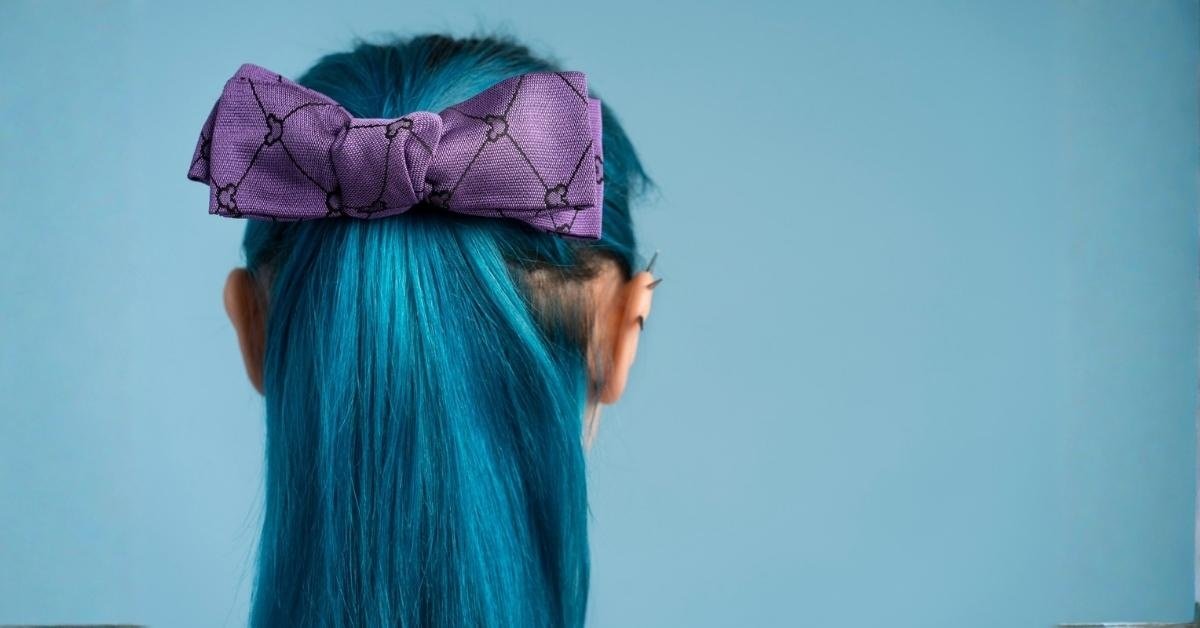
Unnatural hair colors define many alt hairstyles more distinctly than any cutting technique. Electric blues, hot pinks, vivid purples, and neon greens announce alternative identity instantly. These vibrant shades require bleaching natural hair first—often multiple times for darker starting colors—then applying semi-permanent or permanent fantasy colors that demand significant maintenance commitment.
Achieving vivid color saturation requires proper preparation. Hair must be lightened to pale yellow or white before applying most fashion colors. This bleaching process damages hair structure inevitably, demanding careful conditioning and protein treatments to maintain hair health beneath color. Many people alternate between bleaching sessions, allowing weeks or months for hair recovery before pursuing lighter lift.
Split-dye techniques create dramatic contrasts by dyeing each side of the head different colors. Half black, half blonde represents classic execution, though any color combination works. The sharp division down the middle creates instantly recognizable alt hairstyles that photograph gorgeously and make powerful style statements. Maintaining split-dye demands commitment—roots show differently on each side, requiring coordinated touch-ups.
Rainbow hair incorporates multiple colors throughout, creating vibrant, playful alt hairstyles that reject single-color limitations entirely. Different execution approaches exist—horizontal rainbow stripes, vertical color blocks, or subtly blended transitions between shades. The maintenance intensity increases with each added color since each requires separate attention during touch-ups and refresh applications.
Here’s how different color approaches break down:
- Vivid single color: Electric blue, hot pink, violet, emerald green
- Pastel variations: Lavender, mint, peach, baby blue
- Split-dye: Half one color, half another with sharp division
- Rainbow: Multiple colors throughout in stripes or blocks
- Ombré: Gradual transition from roots to different colored ends
- Highlights: Alternative color streaks throughout natural base
Textural Techniques
Deliberate damage creates texture central to many alt hairstyles. Razor cutting produces choppy, uneven ends that move differently than scissors-cut hair. The irregular lengths create piece-y separation rather than uniform blending. This intentional imperfection signals rejection of polished perfection while creating movement and interest impossible through conventional cutting.
Dry cutting allows stylists to see exactly how hair falls naturally, cutting accordingly rather than imposing structure onto wet hair. This technique suits alt hairstyles particularly well since alternative styling prioritizes working with hair’s natural tendencies rather than forcing it into unnatural shapes. The results appear more organic and lived-in than precisely geometrical salon cuts.
Texturizing products enhance the deliberately messy quality defining many alt hairstyles. Sea salt spray creates gritty, beachy texture. Dry shampoo adds grip and volume at roots. Texturizing paste provides moldable hold that maintains separation rather than creating unified smoothness. These products help recreate that fresh-from-the-salon texture daily without requiring full restyling.
Crimping and corrugating tools add mechanical texture that reads as futuristic and alternative. Beyond traditional crimpers, various tools create different textural patterns—from tight zigzags to looser waves. Applying these textures strategically rather than uniformly prevents dated appearance, creating contemporary alt hairstyles that reference retro techniques without becoming costumes.
Asymmetrical Cutting
Asymmetry defines countless alt hairstyles through deliberate imbalance that rejects symmetrical beauty standards. One side cut dramatically shorter than the other creates instant edge. Diagonal lines across the head establish dynamic rather than static silhouettes. These uneven cuts communicate intentionality—you chose this imbalance purposefully rather than suffering bad haircut accidents.
The long-on-one-side aesthetic works across various lengths. Short crops with one elongated section create dramatic contrast perfect for bold alt hairstyles. Medium lengths with asymmetrical framing pieces offer wearable edge suitable for navigating conservative contexts. Even longer hair benefits from asymmetrical cutting that prevents the weight and uniformity characterizing conventional long styles.
Maintaining asymmetrical cuts requires regular salon visits since uneven lengths show growth more obviously than balanced cuts. What looked intentionally edgy can quickly read accidental as hair grows. Some people embrace the evolving nature of alt hairstyles, allowing cuts to morph rather than maintaining rigid perfection. Others prioritize regular trims preserving original asymmetry.
Styling asymmetrical cuts emphasizes the imbalance rather than minimizing it. Part hair to showcase the contrast between sides. Style shorter sections with different products or techniques than longer portions. The goal involves celebrating the asymmetry as central feature rather than treating it as quirk requiring camouflage.
Shaved Designs And Patterns
Hair tattoos—designs shaved into scalp or very short hair—add artistic detail to alt hairstyles. Geometric patterns, symbols, words, or abstract designs transform shaved sections into canvases. These require skilled barbers using clippers at various guard lengths to create depth and dimension within the design. The impermanence—designs grow out within weeks—allows experimentation without permanent commitment.
Side shaves create clean canvases for these designs while leaving substantial hair on top. The contrast between shaved sides and longer top hair defines countless modern alt hairstyles, providing versatility that suits various contexts. Wear hair down covering shaves for conservative settings, or style it up revealing the edge underneath.
Nape undercuts—shaving the back beneath longer top layers—offer hidden edge perfect for people navigating strict workplace policies. These concealed alt hairstyles let you maintain alternative identity while technically adhering to conservative appearance codes. Only you and those you choose know about the rebellion hiding beneath professional exterior presentation.
Maintenance for shaved sections demands regular buzzing since even short growth quickly makes designs unreadable or shaved areas appear unkempt. Weekly or biweekly buzzing keeps everything crisp. Many people invest in quality clippers for home maintenance rather than requiring salon visits for simple buzzing.
| Style Category | Key Characteristics | Maintenance Level | Subcultural Roots |
| Punk Mohawks | Standing hair, shaved sides | High – daily styling | 70s-80s punk |
| Goth Volume | Backcombing, crimping, length | Medium – weekly restyling | 80s-90s goth |
| Bold Colors | Unnatural shades, vivid saturation | Very high – frequent touch-ups | Various scenes |
| Asymmetrical | Uneven lengths, diagonal lines | Medium – regular trims | 2000s emo/scene |
| Shaved Designs | Patterns in buzzed sections | High – weekly buzzing | Contemporary alt |
Maintenance And Upkeep
Maintaining vibrant colors in alt hairstyles demands dedication beyond conventional hair care. Fantasy colors fade significantly faster than natural shades, requiring frequent refresh applications. Color-depositing shampoos and conditioners extend vibrancy between full dye sessions. Washing less frequently preserves color longer, though this requires adjusting to different cleanliness standards than mainstream hair culture promotes.
Heat styling accelerates color fading in alt hairstyles, creating tension between desired styling and color preservation. Air-drying when possible extends color life. When heat proves necessary, always apply protectant products first. Lower temperature settings cause less damage and fading than maximum heat, even if styling takes longer.
Deep conditioning treatments counteract the damage bleaching and chemical processing inflict on hair maintaining alt hairstyles. Weekly masks replenish moisture and protein that chemical treatments strip away. Without proper conditioning, hair becomes brittle, prone to breakage, and unable to hold styles properly. This maintenance proves non-negotiable for long-term hair health.
Regular trims prevent split ends from traveling up the hair shaft, compromising the integrity of your alt hairstyles. Even when growing hair out, periodic dustings that remove minimal length maintain health without sacrificing progress. Healthy hair holds color better, styles more successfully, and looks more intentional than damaged hair no matter how edgy the cut.
Navigating Social Consequences
Alt hairstyles carry social implications beyond aesthetics. Conservative workplaces, family gatherings, and public spaces sometimes react negatively to obviously alternative presentation. Understanding these potential consequences before committing to dramatic changes allows informed decision-making rather than surprised regret when encountering judgment or discrimination.
Many people develop strategies for navigating contexts requiring conventionality without abandoning alternative identity. Temporary colors wash out for important events. Wigs conceal bold cuts when necessary. Styling techniques can minimize obviously alternative elements temporarily. These compromises feel frustrating but allow maintaining alt hairstyles while surviving within systems demanding conformity.
Building supportive communities proves essential for sustaining alternative styling long-term. Connect with others sharing your aesthetic through social media, local scenes, or interest-based groups. These connections provide encouragement when facing criticism while offering practical advice from those navigating similar challenges. Community validation counteracts mainstream rejection powerfully.
Remember that alt hairstyles represent your choice about your body. Other people’s comfort with your appearance isn’t your responsibility. Their discomfort reflects their limitations, not your failings. Maintaining this perspective helps weather judgment without internalizing criticism or abandoning authentic self-expression that makes you feel genuinely yourself.
Conclusion
Alt hairstyles offer endless possibilities for self-expression that refuses conventional beauty limitations. Whether you embrace full punk mohawks, goth backcombing, vivid rainbow colors, or subtle asymmetrical edge, the alternative approach prioritizes authenticity over acceptability. These styles demand courage—to stand out, accept judgment, commit to maintenance, and trust that being genuine matters more than being universally approved.
The diversity within alternative styling means everyone can find interpretations resonating with personal aesthetics and practical limitations. Start small if full commitment feels overwhelming—temporary color, minor asymmetry, or hidden undercuts let you explore alternative identity incrementally. Or dive completely into dramatic transformation if that approach suits your personality better. No correct pathway exists; only what feels authentic for you.
Remember that alt hairstyles evolve constantly. What feels right today might shift tomorrow as your identity develops and interests change. This fluidity represents strength rather than inconsistency. Allow yourself permission to experiment, change direction, and discover new aspects of alternative styling as you grow. Your hair will grow back, colors will fade, and new possibilities always await exploration.
Frequently Asked Questions
Q1: Will alt hairstyles damage my hair permanently?
Bleaching and chemical processing cause damage, but proper conditioning and care minimize long-term harm. Hair grows continuously, so even damaged sections eventually get cut away with new, healthy growth replacing them.
Q2: Can I have alt hairstyles in professional workplaces?
This depends entirely on your specific workplace culture and policies. Some industries welcome alternative presentation while others maintain conservative appearance standards. Hidden elements like nape undercuts offer compromise options.
Q3: How often do I need to touch up vibrant colors?
Vivid fashion colors typically need refreshing every 4-6 weeks depending on washing frequency and color intensity. Using color-depositing products extends time between full dye sessions significantly.
Q4: Are certain alt hairstyles easier to maintain than others?
Asymmetrical cuts and subtle colors require less upkeep than mohawks or rainbow hair. Consider your lifestyle honestly when choosing styles—high-maintenance looks demand genuine commitment to daily styling and frequent touch-ups.
Q5: Where can I find stylists experienced with alt hairstyles?
Search for salons specializing in alternative clientele through social media, local scene connections, or online reviews. Many alternative stylists showcase work on Instagram, allowing you to evaluate their skills before booking appointments.
Visit our other articles also;